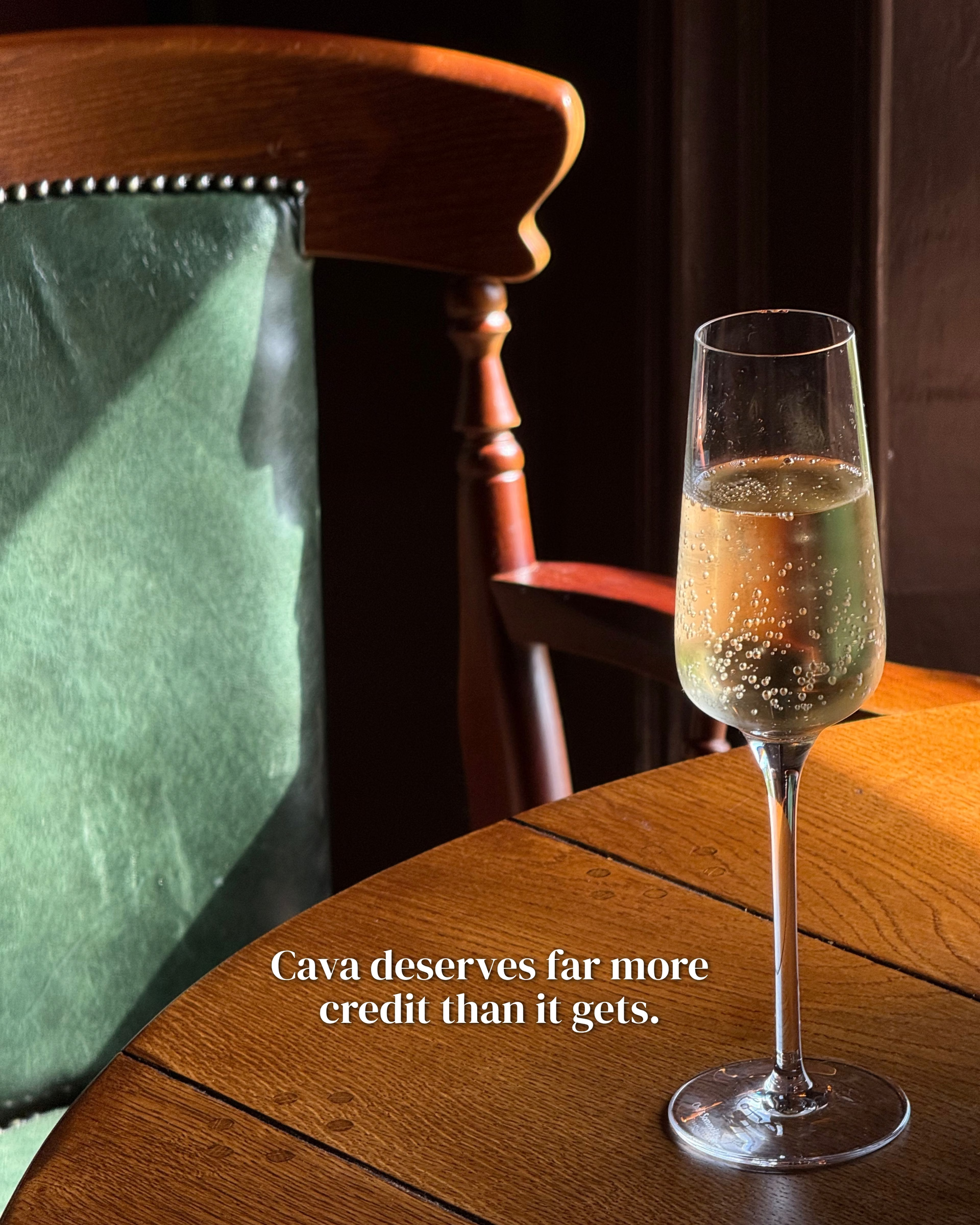
If you love Champagne but don't always love the price tag, there's another bottle you should have on your radar: Cava.
It's one of the best-value sparkling wines in the world, yet it's often overlooked. Most people think of it as the cheaper alternative to Champagne. I think that's doing it a disservice.
A great bottle of Cava isn't trying to be Champagne. It's a brilliant sparkling wine in its own right.
What is Cava?
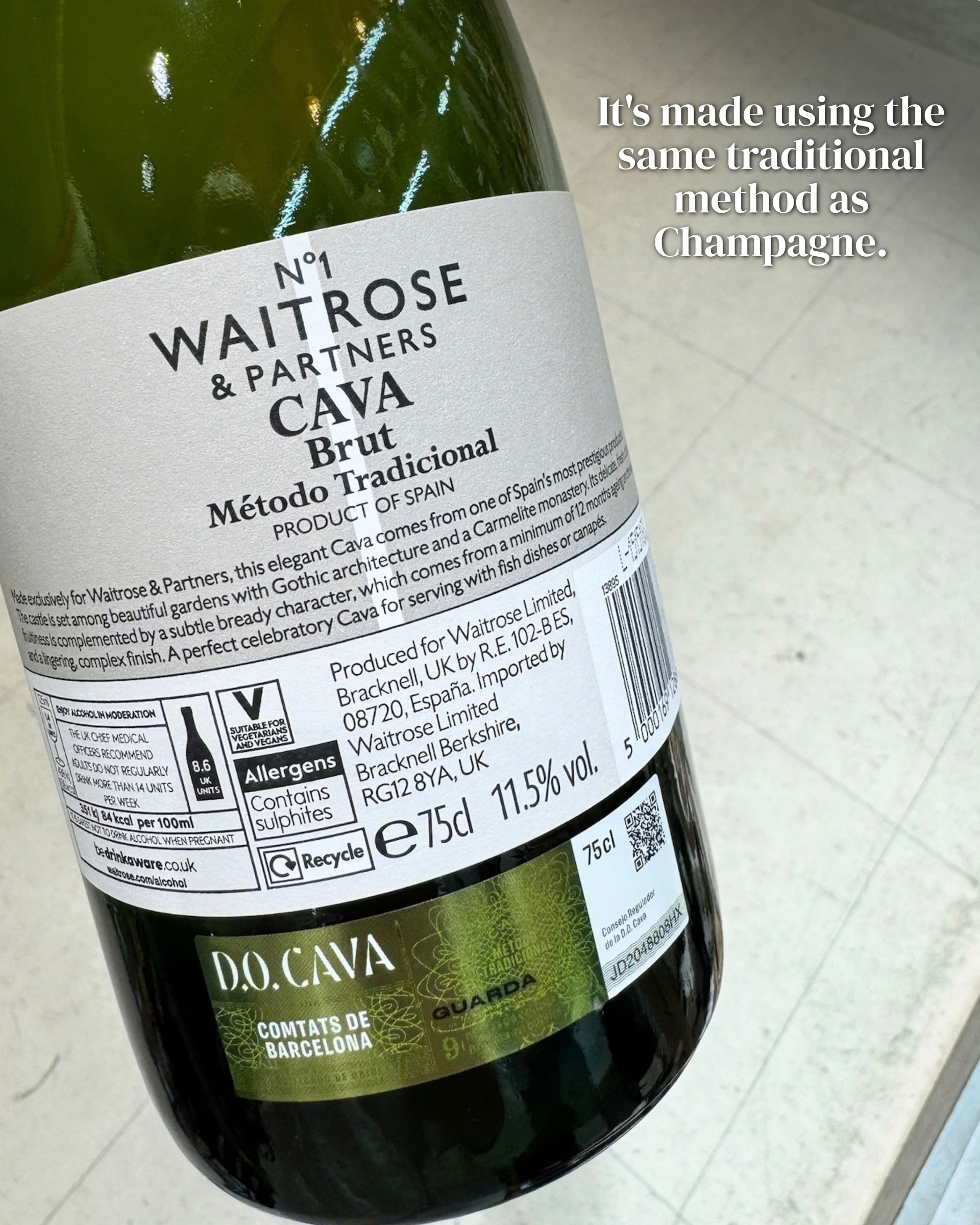
Cava is a Spanish sparkling wine made using the traditional method, the same production method used for Champagne.
The bubbles are created naturally during a second fermentation inside the bottle. This gives Cava its fine bubbles, freshness and, with age, delicious aromas of brioche, toast and biscuit.
Most Cava comes from the Penedès region of Catalonia, just outside Barcelona, although it can also be produced in other authorised regions of Spain under the D.O. Cava designation.
What grapes are used to make Cava?
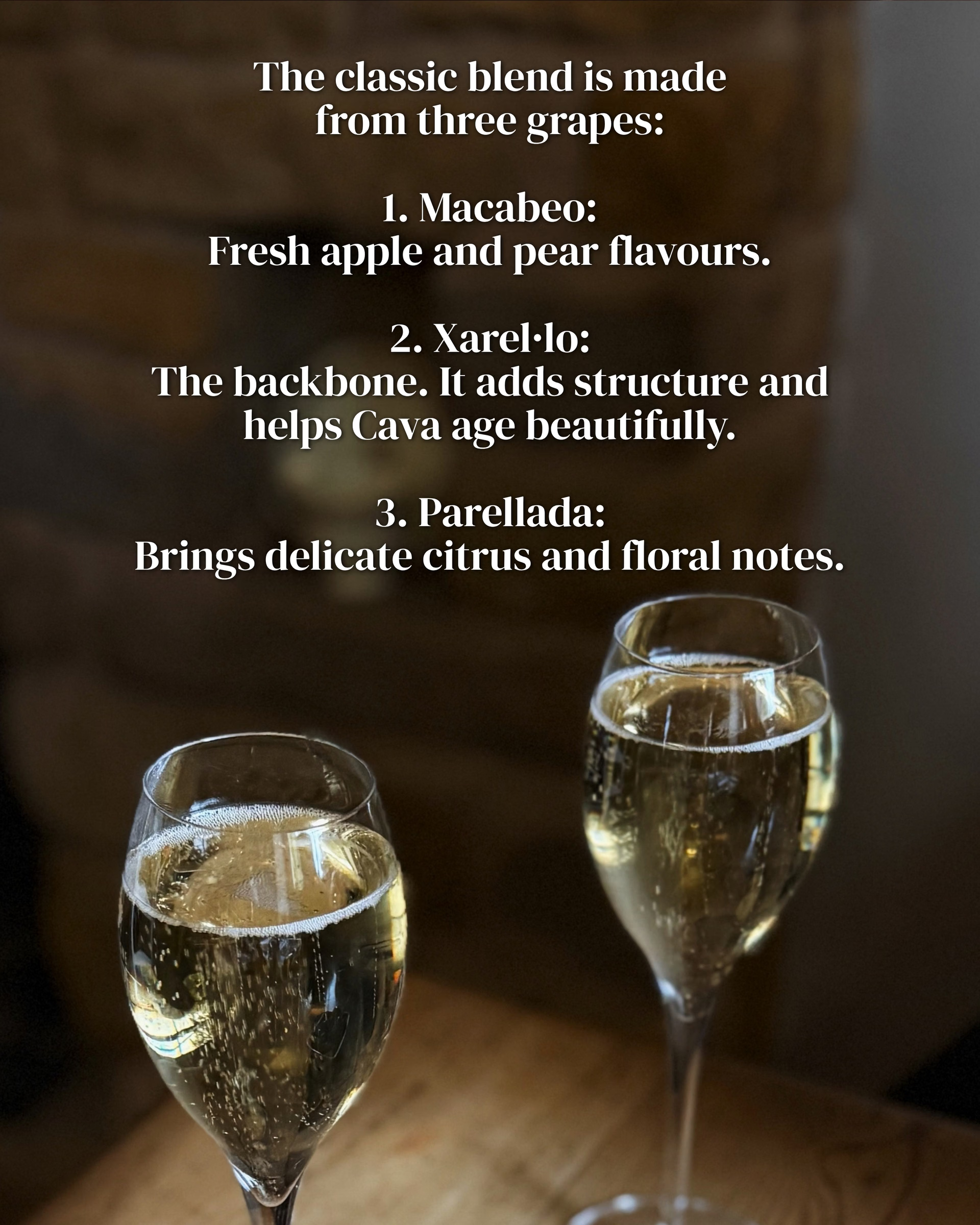
Unlike Champagne, which is made primarily from Chardonnay, Pinot Noir and Pinot Meunier, traditional Cava uses three main native Spanish grapes.
Macabeo brings fresh apple, pear and gentle citrus flavours.
Xarel·lo adds structure, freshness and ageing potential.
Parellada contributes delicate floral aromas and elegance.
Together, they create a fresh, vibrant sparkling wine with a distinctly Spanish character.
Is Cava made the same way as Champagne?
Yes. Both wines are made using the traditional method, also known as méthode traditionnelle.
After the base wine is bottled, a second fermentation takes place inside the bottle, creating the bubbles naturally.
The biggest differences between Cava and Champagne are the grapes, climate and region, rather than the production method.
Why is Cava cheaper than Champagne?
This is one of the questions I'm asked most.
Cava isn't cheaper simply because it's lower quality. Production costs, including land and labour, are generally lower in Spain than in Champagne, France. You're also not paying the same prestige premium associated with the Champagne name.
That's why Cava can offer such excellent value for money.
How do you choose a good bottle of Cava?
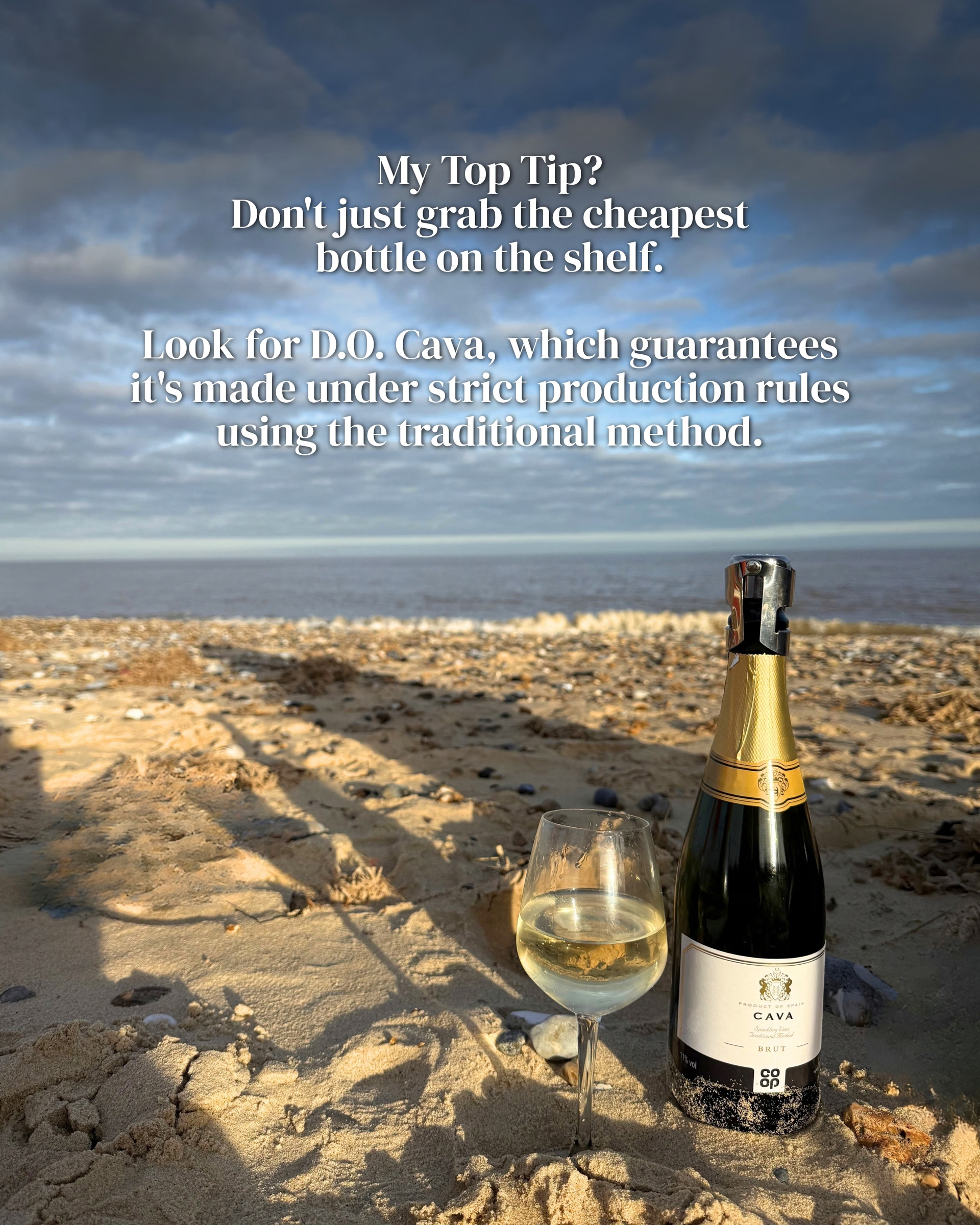
My advice is simple. Look for D.O. Cava on the label, which means the wine meets the designation's production requirements.
If you want to trade up, look for these classifications:
- Reserva: aged for a minimum of 18 months.
- Gran Reserva: aged for a minimum of 30 months.
- Cava de Paraje Calificado: a top classification for wines from specifically designated, exceptional vineyards, subject to strict requirements.
Longer ageing on the lees can bring greater complexity, finer bubbles and delicious notes of brioche, toasted nuts and baked pastry.
Can Cava be rosé?
Absolutely. Rosé Cava is often made using grapes such as Garnacha and Monastrell, producing flavours of strawberries, raspberries and red cherries alongside the crisp acidity that makes Cava so refreshing.
What food pairs well with Cava?
One of the reasons I love Cava is its versatility.
Try it with:
- Tapas
- Jamón Ibérico
- Seafood
- Fish and chips
- Fried chicken
- Sushi
- Soft cheeses
Its bright acidity and fine bubbles work particularly well with rich, salty and fried foods, making it an easy choice for everything from a casual lunch to a dinner party.
My verdict
If you're celebrating something special, Champagne will always have its place.
But for a bottle to enjoy with friends, serve at a dinner party or simply keep chilled in the fridge, I'd happily reach for a good Cava.
It's made using the same traditional method as Champagne, has its own distinctive character and often costs a fraction of the price.
For me, it's one of the smartest buys in the sparkling wine aisle.
Elizabeth Hawthornthwaite
_______________________________________________
Frequently Asked Questions:
Is Cava the same as Champagne?
No. They use the same traditional production method, but Champagne comes from the Champagne region of France and uses different grape varieties.
Is Cava sweet or dry?
Most Cava sold in the UK is dry, particularly Brut and Brut Nature styles.
Where is Cava made?
Most Cava comes from the Penedès region of Catalonia, although it can also be produced in other authorised areas of Spain under the D.O. Cava designation.
What's the difference between Cava and Prosecco?
Cava is made using the traditional method, which can develop more complex, toasty flavours. Prosecco is usually made using the Charmat method, with a second fermentation in tanks, producing a fresher, fruitier style.
Is Cava good value?
Absolutely. Cava is one of the best-value traditional-method sparkling wines available and can deliver excellent quality for the price.