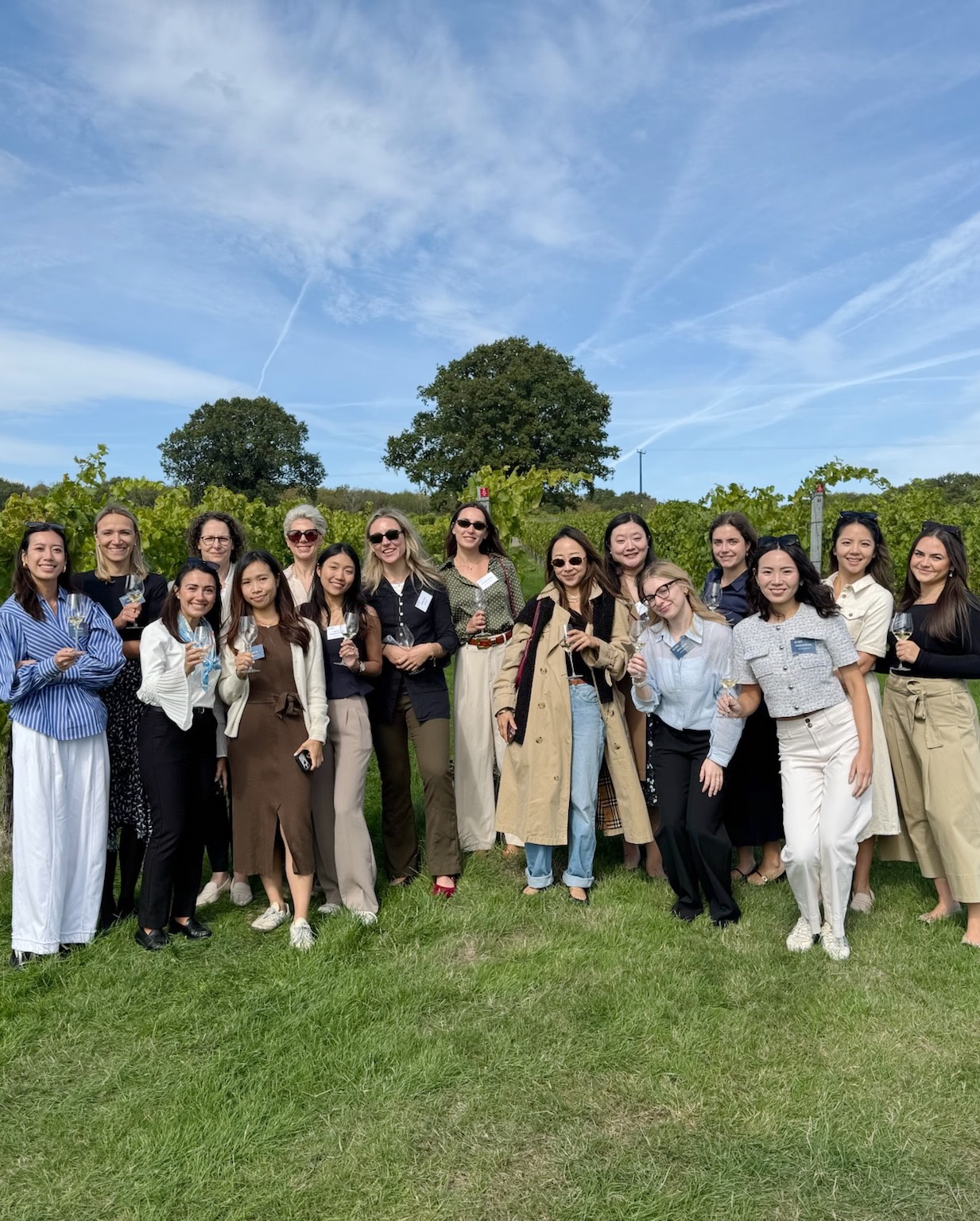
Fifty people might seem a lot for an event. And it is. When you’re working with a large group, maintaining an atmosphere or keeping everyone engaged can be a bit challenging.
But when you’re deciding what event format to go for, it depends on what you want people to leave talking about.
If the aim is simply to serve good wine, almost any format will do. If the aim is to help colleagues mix, strengthen client relationships or create a memorable evening, the format matters far more than the wine itself.
Once a guest list gets much beyond forty or fifty people, you start to see the same patterns emerge. People naturally gravitate towards those they already know, conversations settle into familiar groups and, unless something gently interrupts that, the room never really changes shape throughout the evening.
That’s why, for larger groups, I rarely recommend a traditional seated tasting.
Seated tastings work brilliantly when the objective is education. They’re ideal for smaller groups where everyone can share the same conversation, ask questions together and explore a region or style of wine in more depth. But with larger numbers, they can become quite passive. Guests speak to the people on either side of them, listen politely, and then the evening moves on.
For fifty guests or more, I nearly always favour formats that introduce movement into the room.
A Wine Safari is probably my favourite example. Instead of everyone staying in one place, guests move between several tasting stations over the course of the evening, each with a different wine, theme or food pairing. It’s a subtle change, but it completely alters the dynamic.
By the second or third station, people are standing beside someone they didn’t know before, sharing opinions on the wine and striking up conversations that would never have happened if everyone had stayed in the same seat. It’s something I’ve seen repeatedly at corporate events, and it’s often those unexpected conversations that people remember afterwards.
Blind tastings can have a similar effect. The moment people are asked to guess which wine is the most expensive, or less expensive, the atmosphere becomes noticeably more relaxed.
Nobody needs to be an expert; everyone has an opinion, and suddenly the room has a shared talking point. For me, that’s always the objective.
Wine should make conversation easier, not become the centre of attention. The best events create just enough structure to bring people together, before stepping out of the way and letting the relationships develop naturally.
How you run your event depends on what you want to get out of it.